

Scalp Massage Gallery
$$MultiPurposeText$$
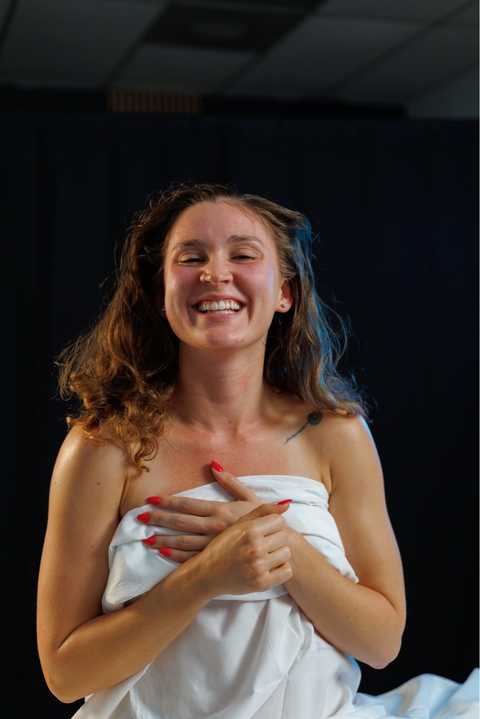
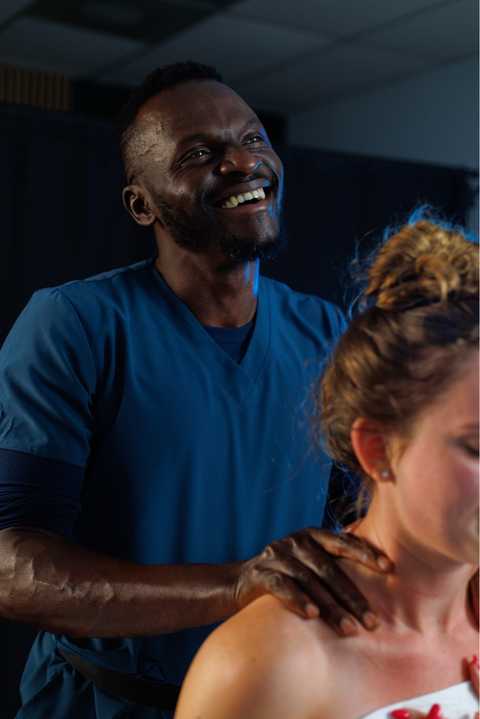
See examples of our Scalp Massage work and results.




What Our Clients Say
$$MultiPurposeText$$
Read testimonials from our satisfied customers

I had an absolutely incredible massage with Daniel. From the moment I walked in, he comple...more

...more
Frequently Asked Questions
Get answers to common questions about Scalp Massage.
During a Scalp Massage at BH MASSAGE you'll receive focused pressure point work on the head and neck, gentle rhythmic strokes, and professional assessment. Sessions promote relaxation, reduce tension, and are customized to comfort and sensitivity levels.
Our Scalp Massage add-on typically lasts 10–20 minutes depending on selection and therapist recommendations. It can be appended to any full-body treatment or booked as a brief standalone refresh to relieve tension after long workdays.
Yes. Therapists use light pressure and avoid harsh manipulation. Inform us of scalp sensitivity, recent treatments, or hair loss concerns so we can tailor strokes and pressure. Scalp Massage typically supports circulation without causing damage.
Yes. By stimulating pressure points and improving circulation, Scalp Massage relieves tension and calms the nervous system. Regular sessions can reduce frequency and intensity of work-related headaches and restore mental clarity during demanding weeks.
Yes. Avoid Scalp Massage if you have open wounds, recent head injury, severe scalp infections, uncontrolled high blood pressure, or certain neurological conditions. Always disclose medical history and current medications so therapists can assess safety and adapt the treatment.
Washing isn't required but a clean scalp enhances comfort. Lightly washed hair can allow better therapist glide and product use if desired. If you prefer not to wash, simply inform your therapist and we will use dry techniques.
Read more about Scalp Massage
$$MultiPurposeText$$
Explore our latest insights and guides on Scalp Massage.